

A little after nine on a Tuesday morning, an actor pushes open the door of a Tribeca coffee shop with one shoulder, iced Americano in hand, and walks half a block before anyone with a camera catches up. The coat is a vintage leather trench, cracked at the elbows in a way no new garment manages. The sunglasses are period-correct to about 1974. Principal photography on her latest film wrapped weeks ago. The trailer drops Friday.
Nothing about that sidewalk is accidental.
The Tribeca Coffee Run Is a Press Release
The initial instinct is to file this under actor eccentricity: someone spent four months inside a character and hasn't fully climbed out. That reading held up for a while. It stops holding up once you look at styling invoices and studio PR calendars side by side, at which point off-duty method dressing looks much more like an orchestrated marketing vehicle with a defined run time and a measurable output.
Some sartorial bleed is real. Anyone who wears the same silhouette for a hundred shooting days develops a tolerance for it, and a few actors genuinely keep a jacket because it started feeling like theirs. But the version that ends up syndicated across a dozen aggregator accounts before lunch has been coordinated: the trench, the shades, the neighborhood, the drink. Stylists build these character-coded wardrobes for roughly fourteen to twenty-one days following the wrap of principal photography, which is a curiously precise window for something described as an organic hangover from the role.
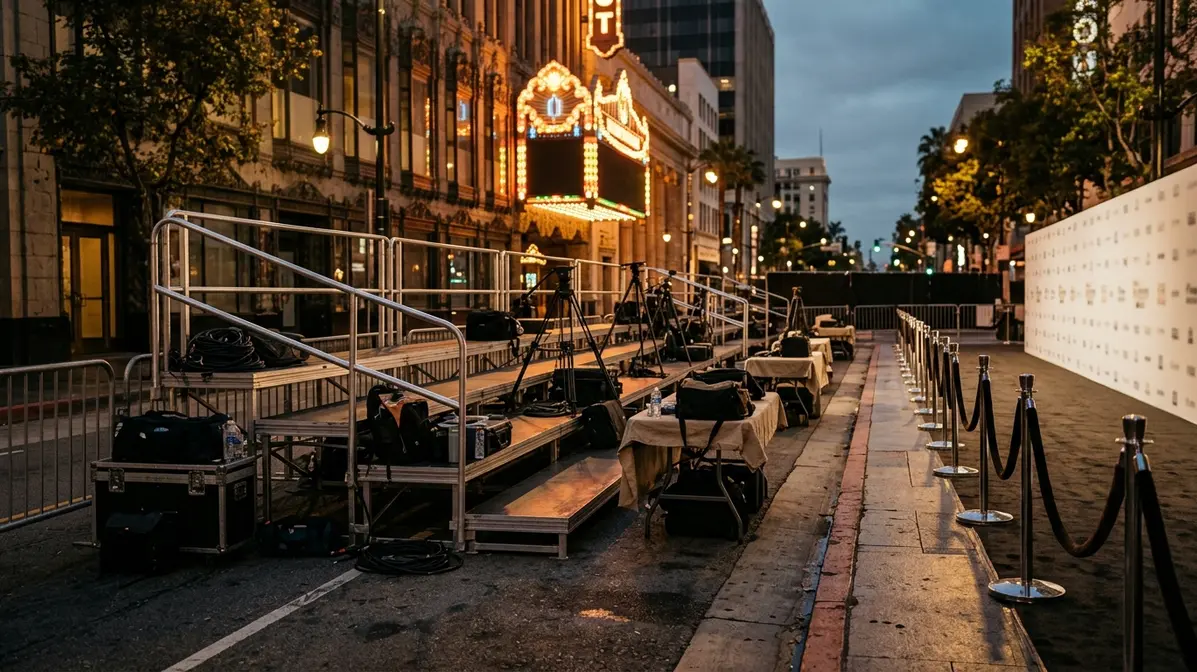
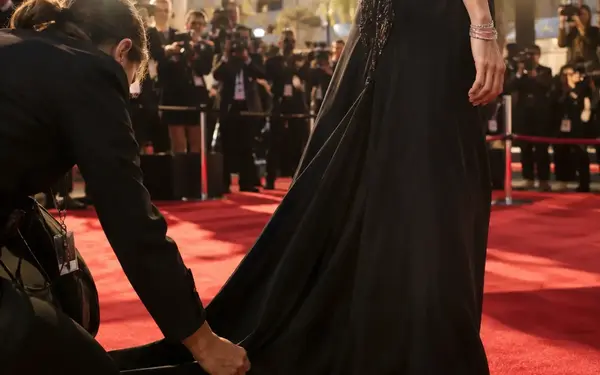
Think of it as the red carpet decentralized. The carpet is contained, photographed by credentialed shooters, and universally understood as performance. The sidewalk carries no such warning label, and that absence is exactly what makes it valuable.
Fourteen Days of Character The tightest tell in off-duty method dressing is duration. A genuine style carryover has no expiry date. A coordinated one runs two to three weeks after wrap and then quietly disappears from the actor's rotation.
How Stylists Build a Look That Reads as Accidental
Performative casualness is the working principle here, and it demands more labor than a gown fitting. A red carpet look is permitted to announce itself. A street style look has to arrive pre-worn, slightly wrong, and specific enough that the audience feels a flicker of recognition without being able to name its source.
Wardrobe teams achieve that by sourcing archival pieces that mirror the visual motifs of the film. If the picture leans on oxblood and tobacco browns, the grocery run will too. If the story sits in a particular decade, the trouser break and the lens shape of the sunglasses will quietly agree with it. The outfit has to look hastily assembled while triggering subconscious association with a poster nobody has seen yet.
Drawing on a manual catalog of unretouched paparazzi archives, sorted by color palette and by historical silhouette alignment with upcoming film releases, the drift is easy to see: early-2000s off-duty frames are genuinely uncoordinated, full of untucked band tees and borrowed hoodies, while the same category of image in the early 2020s clusters tightly around release-adjacent motifs. That shift was tracked across a thirty-six to forty-eight-month stretch, not a single season.
The grammar of a deliberate imperfection
A scuffed boot heel. A coffee cup held in the hand closest to the camera. A tote bag with a bookstore logo instead of a luxury monogram. These are not oversights; they are the punctuation that makes the sentence read as spontaneous. Remove them and the same outfit reads as a lookbook page, which defeats the entire premise.
Organic Style Evolution and the Pre-Release Calendar
Actors, asked about it, almost always describe something sincere. The character changed how they see proportion. They stopped wearing color. They kept the coat because it felt honest. Those accounts deserve to be taken at face value, because psychological adoption of a character's aesthetic is a documented part of the craft and not something a publicist invented.
The calendar complicates the story. Cross-reference those interviews against studio marketing schedules and the highly stylized sightings cluster almost exclusively inside the four-to-six-month pre-release window. They rarely persist past the premiere. A personal evolution that resolves itself the week a film opens wide is a personal evolution operating on someone else's timetable.
The implementation problem sits with the stylist, who has to keep the look legible without tipping into theater. A character-coded outfit at a gala is unremarkable. The same outfit at a suburban gym exit, or in the produce aisle at 11pm, curdles fast. Too much commitment and the actor looks like they're in costume at the pharmacy, which generates the wrong kind of coverage entirely.
The Costume Threshold The tactic collapses if the aesthetic outlives the film's opening weekend. Past that point the audience stops reading dedication and starts reading desperation, and the same trench that drove engagement in March becomes a punchline in June.
Mood Boards, Archives, and the 96-Hour Lead Time
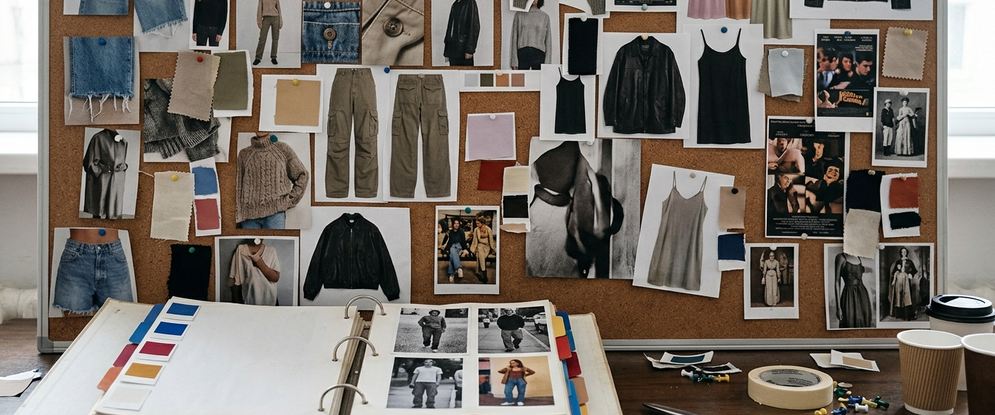
Follow a single garment from end to end and the infrastructure becomes obvious. It begins on a stylist mood board assembled against the film's color script. It moves to sourcing, where the interesting work happens: luxury houses supply archival pieces or quietly cut custom ones for specific scenarios, and those scenarios are mundane by design. Airport arrivals. Street-level errands. The walk from a parked car to a pilates studio.
That routing bypasses the traditional editorial spread completely. A magazine shoot costs a house a photographer, a location, a crew, and around six weeks of lead time. A coat worn out of a bakery costs a coat.
Then there is the timing layer. Coordination between fashion PR and paparazzi agencies typically requires seventy-two to ninety-six hours of lead time before the "accidental" photograph exists, which covers the tip, the positioning, the wardrobe delivery, and the syndication path. Four days of planning produce an image whose entire persuasive power rests on appearing unplanned.
The relationship is genuinely symbiotic rather than parasitic. The agency gets a frame worth licensing. The house gets a product shot with implied endorsement and no visible ad spend. The studio gets its release cycle into feeds that would scroll straight past a trailer.
Reading the Trench Coat When a single archival piece appears on three separate errands in one week, check the release slate rather than the resale market. Repetition is a campaign signature, since a coordinated look needs multiple impressions to register, while a personal favorite gets worn erratically.
Why the candid frame outperforms the produced one
Audiences have been trained for a century to discount advertising and to trust surveillance. A photograph that appears stolen carries an authority a commissioned image cannot buy, and engagement on these frames is monitored closely enough that PR teams can watch in near real time as a coat becomes a search term.
When the Audience Starts Reading the Coat
The tactic is showing wear. Over a recent twelve-to-eighteen-month cycle, the saturation point arrived: comment sections now identify the release window before they identify the designer, and the phrase "press tour outfit" gets applied to sidewalk photos that were supposed to read as private. Media literacy is corrosive to this particular illusion, because the illusion only functions while the viewer believes they found the image rather than received it.
Some teams have responded by dialing the coding down, letting one reference through instead of five. Others have gone the other direction and turned the whole thing into an open joke, which at least has the virtue of honesty. Neither move restores the original effect.
So the sidewalk and the screen have finished merging, and the coat outside the coffee shop now does the same work as the poster above the box office. That leaves one question for anyone who still picks their own clothes in the morning: when every garment on a famous body is doing promotional labor, are we watching genuine personal style die, or watching it become the most sophisticated performance in the culture?







Your Thoughts
No comments yet. Be the first!
Your Comment