

Evaluating Authenticity Over Contemporary Trends
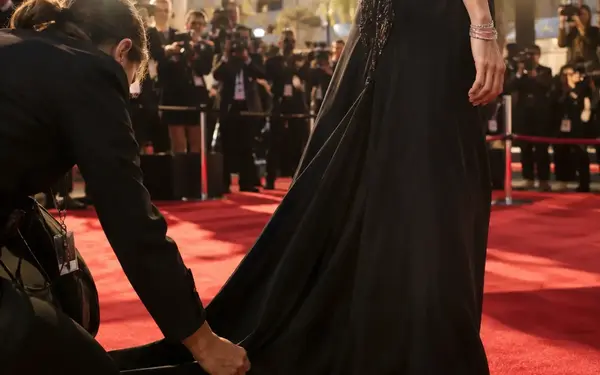
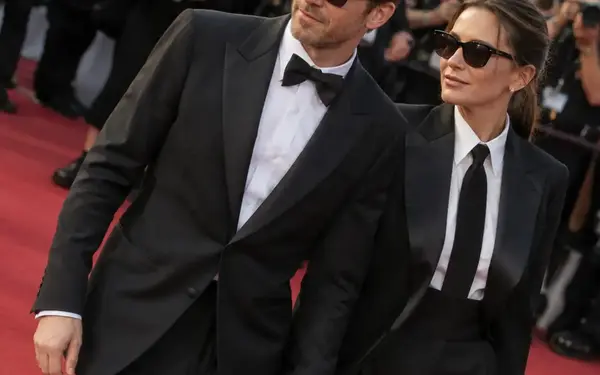
One bad fitting can damage an irreplaceable piece of fashion history in the time it takes to cross a step-and-repeat. That risk is why these appearances get scored on the unaltered presentation and historical accuracy of the garments rather than on their alignment with current styling trends. True red carpet exclusivity relies entirely on securing a museum-worthy piece of fashion history, and archival dressing immediately establishes a celebrity's fashion literacy and commitment to sustainable luxury.
Failing to respect the historical context of an archival piece risks cultural tone-deafness and severe damage to garments that cannot be replaced. The modern red carpet operates under intense visual scrutiny, where every seam and drape is magnified by high-definition photography. Analysts inspect high-resolution step-and-repeat images to identify stress points on delicate fabrics and verify the absence of modern tailoring interventions, then measure current appearances against original runway photography from the mid-1990s collections to confirm silhouette authenticity.
Photographic Stress AnalysisWhen evaluating a vintage garment's presentation, the primary indicator of improper handling is visible tension across the bias. High-definition lenses easily capture the micro-tears that occur when a historical piece is forced to accommodate modern foundational garments.
This rigorous visual inspection separates genuine archival moments from mere vintage-inspired styling. The final verdict on a successful appearance hinges on the styling team's ability to present the garment exactly as the original designer intended. Any deviation from the historical record, whether through unauthorized alterations or incorrect accessorizing, diminishes the academic value of the presentation.
Cinematic Resonance Through Archival Sourcing
Film festivals like Cannes and Venice provide the ideal academic and artistic backdrop for fashion as a preserved art form. The transition from disposable seasonal wear to curated vintage reflects a broader industry critique of fast-paced consumption. Stylists act as fashion historians in this environment, matching the thematic elements of a film's narrative against historical runway collections. They select specific vintage garments that mirror the cinematic tone, bypassing current seasonal lookbooks entirely.
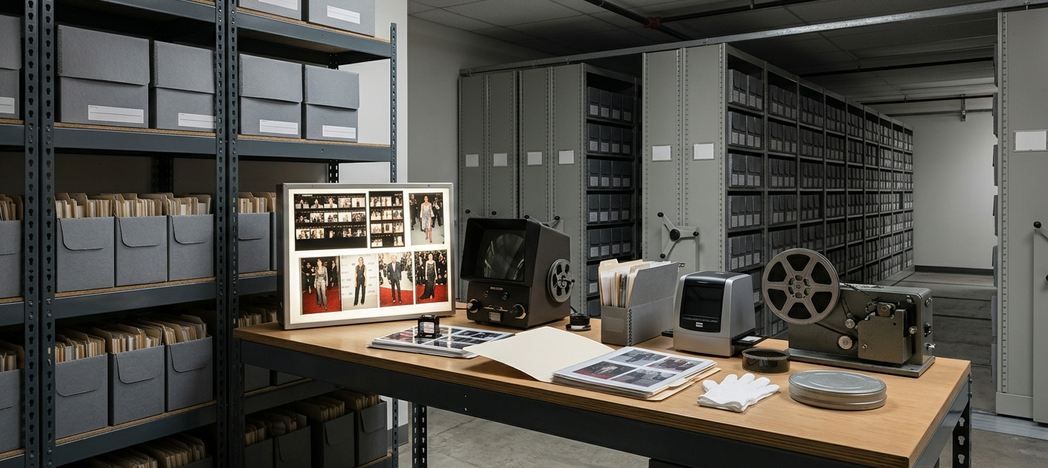
Teams source garments from specialized private archives focusing on late 1980s to early 2000s avant-garde collections. Archival research and acquisition typically begin somewhere in the 14-to-18-month window before a premiere. That extended timeline allows for deep dives into the provenance of specific pieces, ensuring the selected garment carries the appropriate cultural weight for a major festival debut.
This historical sourcing strategy remains restricted entirely to clients who naturally fit the original sample sizes of the era, given that surviving couture pieces cannot undergo structural tailoring. The physical limitations of the garments dictate the casting of the fashion moment. A stylist cannot force a 1994 runway sample to fit a contemporary silhouette; the client must adapt to the historical proportions of the piece.
Navigating Vault Logistics and Transit Protocols
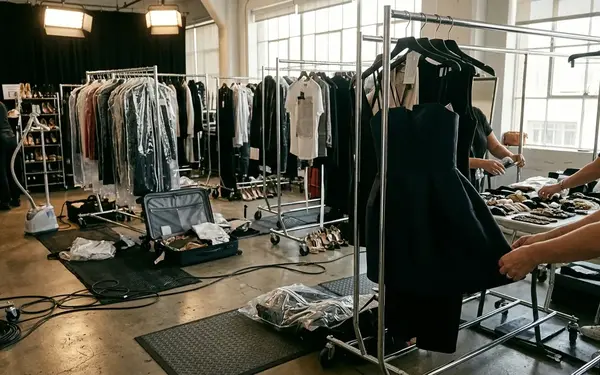
Acquiring these garments requires navigating private collectors, brand vaults, and specialized vintage dealers. Strict preservation rules dictate the wearing of archival couture: zero permanent alterations, specialized undergarments to protect the silk, and limited wear time. Applying museum-grade handling protocols on a chaotic red carpet presents unique logistical challenges for styling teams.
Styling teams submit detailed preservation protocols to vault curators, outlining exact transportation methods and red carpet handling procedures to secure borrowing rights for irreplaceable pieces. These documents serve as binding contracts, detailing every step of the garment's journey from the archive to the premiere and back again.
Vault Submission CriteriaCurators require detailed environmental control plans before releasing a piece. This includes specifying the exact humidity levels of the transit cases and the lighting conditions of the staging areas.
Teams pack in acid-free tissue and use climate-controlled transit cases for international shipping to major industry events. Exposure to body heat, flash photography, and the elements is capped at a strict 45- to 90-minute window for museum-grade garments during the formal arrival. Once the step-and-repeat is complete, the client immediately changes into a secondary, contemporary look for the screening and subsequent editorial events.
Constructing the Non-Destructive Silhouette
Executing an archival look requires a highly technical approach to dressing. Step one involves sourcing a verified vintage silhouette through reputable dealers specializing in authenticated historical garments. Step two requires authenticating the garment's condition. Teams typically allocate three to five days exclusively for authentication and dry rot inspection before committing the garment to the final lineup, checking for dry rot in vintage silks or weakened seams and using magnification tools to assess the integrity of the original thread.
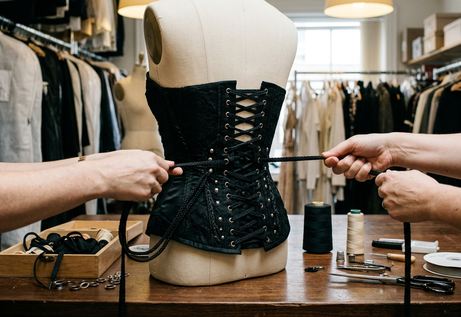
Step three demands non-destructive styling techniques. Tailors construct custom under-corsets designed to bear the entire tension of the fit, ensuring the vintage silk drapes naturally over the body without bearing any structural load. Temporary basting stitches manage silk tension and adjust hemlines without piercing the original fabric weave. This meticulous preparation guarantees the garment returns to the archive in the exact condition it arrived.
To execute this methodology in practice, consider the preparation of a 1995 bias-cut silk gown for a premiere. The process begins with the construction of a foundational power-mesh corset, tailored precisely to the client's measurements. This internal structure features a specialized waist-tape that anchors directly to the client's body. The vintage silk gown is then draped over this foundation. Tailors attach the gown's original internal seams to the new corset with temporary basting stitches, spacing them every two inches along the side seams. This transfers all gravitational pull and movement stress away from the 30-year-old silk and onto the modern mesh. For the hem, the excess fabric is folded inward and secured with ultra-fine silk thread, catching only the back loops of the original weave. The client is dressed on-site in a climate-controlled staging room roughly twenty minutes before arrival, keeping the garment inside its strict 45- to 90-minute exposure window before it is removed and repacked in acid-free tissue.







Your Thoughts
No comments yet. Be the first!
Your Comment