


The Autumn Monolith as Cultural Blueprint
The September issue operates as the fashion industry's fiscal and cultural new year. It establishes the visual baseline for the months ahead, setting a schematic agenda that ripples outward into mainstream entertainment and retail. Evaluating the production logs from that summer's build cycle, the editorial board explicitly rejected the framework of treating the autumn release as a mere seasonal catalog. They decided to structure the issue as a definitive historical document that dictates the upcoming fiscal year's visual language.
The execution of this vision requires immense capital and logistical orchestration. Production budgets somewhere in the $1.8 to $2.3 million range support page counts running upward of 740 pages, occasionally closer to 820. These extensive spreads architect the visual language of pop culture. Elite celebrity casting and massive production budgets transform the publication into a cultural anchor. The sheer volume of pages creates a physical presence that demands attention on newsstands and coffee tables alike. Readers consume these volumes slowly, absorbing the schematic storyline over weeks rather than scrolling past it in seconds.
This massive physical footprint serves a specific strategic purpose. The weight of the magazine signals authority. It demands physical space in the reader's environment, forcing a slower, more deliberate engagement with the imagery. Editors use that extended attention span to introduce complex visual narratives that would fail in a faster, digital-only format. The September release sets the aesthetic parameters for the entire industry, defining which silhouettes, color palettes, and cultural attitudes will dominate the coming year.
Academic Color Theory in Studio Environments
High-fashion photography relies on rigorous aesthetic theories to elevate clothing into cultural commentary. Analyzing the technical specifications drawn up during pre-production, creative directors determined the theoretical framework by mapping academic color theory directly onto the season's textile palettes. They selected high-contrast lighting setups to emphasize garment texture over the subject's features. This approach treats the human form as a structural foundation for the textile, prioritizing the drape and weave of the fabric above traditional portraiture.
The technical execution involves the deployment of 12-point cinematic lighting arrays and medium-format digital sensors to capture micro-details in haute couture fabrics. This setup isolates the warp and weft of the material, presenting the garment as an object of intense study. The medium-format sensors capture a dynamic range that reveals the subtle interplay of light on silk organza or heavy wool tweed. Legacy publications act as gatekeepers of visual culture through these rigorous editorial standards, ensuring that the final images possess a density of detail that rewards sustained viewing.
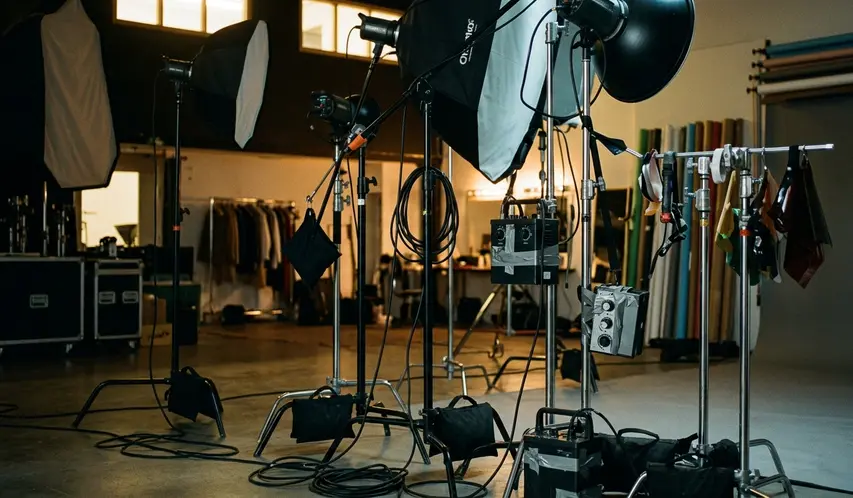
The cultural dominance of these rigorous visual standards remains heavily dependent on publication budgets. Their influence naturally contracts during periods of macroeconomic tightening when page counts are slashed. When resources shrink, the ability to maintain such elaborate lighting and sensor setups diminishes, altering the visual output. Multi-point arrays on that scale require massive studio spaces, specialized technicians, and extended shooting schedules. A reduction in funding forces a pivot to simpler, less controlled lighting environments, which fundamentally changes the aesthetic weight of the resulting photographs.
Synthesizing the Schematic Storyline
Building a 20-page narrative spread requires meticulous logistical planning and creative synthesis. Fashion editors act as visual directors who synthesize disparate garments into a cohesive storyline. Reviewing the staging documentation from the spring prep period, editors pinned hundreds of candid street style photographs to a physical mood board. They systematically stripped away items until a cohesive 20-page schematic storyline emerged. This subtractive process distills the chaos of urban street fashion into a highly controlled, legible narrative.
RFID Wardrobe Tracking
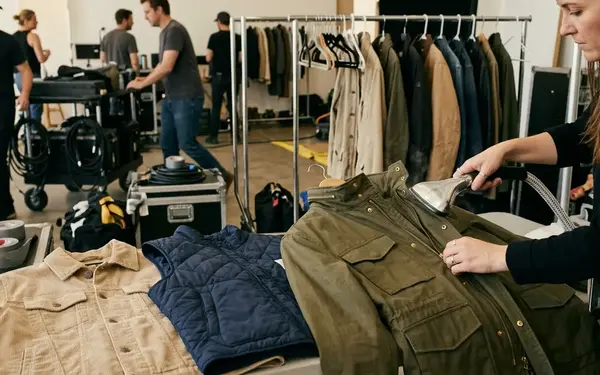
The physical management of the wardrobe presents a massive logistical challenge. Teams implemented the logistical tracking of roughly 145 to 160 individual garments using RFID tags within climate-controlled staging areas. This tracking ensures that every piece of haute couture is accounted for as it moves from the archive to the set. The climate control preserves the integrity of delicate fabrics, preventing humidity or temperature fluctuations from altering the drape of the garments before they are photographed.
The transition of candid street style concepts into highly controlled studio environments requires this level of precision. The editor curates the raw energy of the street into a pristine, schematic narrative. Every accessory, every layer of clothing is deliberately chosen to advance the visual plot of the editorial spread. The resulting images maintain the attitude of street style while benefiting from the flawless execution of studio photography.
Merging Paparazzi Aesthetics with Haute Couture
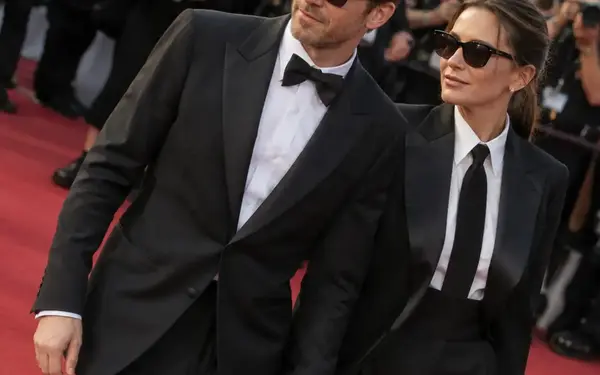
The raw, unpredictable nature of celebrity street style contrasts sharply with the hyper-curated environment of the September editorial. Assessing casting data from recent seasons, casting directors pivoted their strategy by analyzing engagement metrics from candid paparazzi shots. They chose to place entertainment figures in hyper-curated studio environments to merge raw celebrity appeal with high-fashion control. This hybrid approach captures the viewer's fascination with celebrity culture while maintaining the rigorous aesthetic standards of the publication.
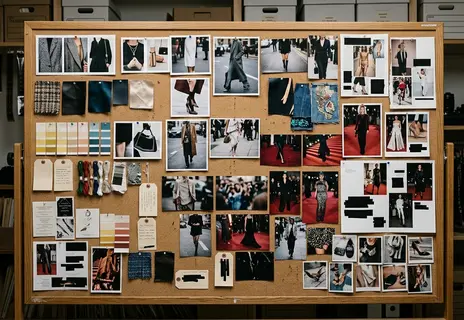
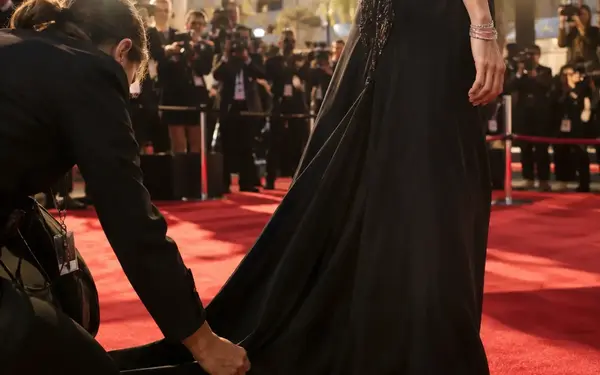
Over that stretch, casting transitioned from a roster of around 14 models to three lead entertainment figures carrying the primary editorial spreads. This shift reflects a broader historical feedback loop. Red carpet fashion began to mirror editorial spreads, and candid paparazzi aesthetics influenced high-fashion photography. The integration of entertainment figures over traditional models shifted the cultural weight of these publications, aligning high fashion with mainstream celebrity culture.
The presence of an actor or musician in a 20-page narrative spread alters the viewer's relationship with the clothing. Audiences project the celebrity's public persona onto the garments, adding a layer of narrative complexity that a traditional fashion model cannot provide. Inside the studio, the chaotic context of a paparazzi photograph falls away—the crowded sidewalks, the harsh flash lighting—replaced by a controlled, cinematic atmosphere. The celebrity becomes a character within the editor's schematic storyline, wearing haute couture that amplifies their established public image.
The Tactile Mandate for Print Preservation
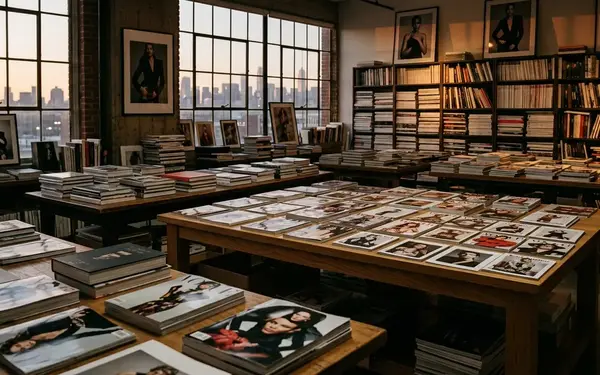
The tactile nature of print media is essential to understanding the original schematic intent of fashion photography. Examining the archival preservation mandate drafted in early 2024, archivists established the physical preservation standard by comparing digital scans with original prints. They concluded that tactile elements like paper weight and two-page spread pacing were critical to understanding the original schematic intent. The physical act of turning a page dictates the rhythm at which the viewer consumes the images, a pacing that is entirely lost in a digital scroll.
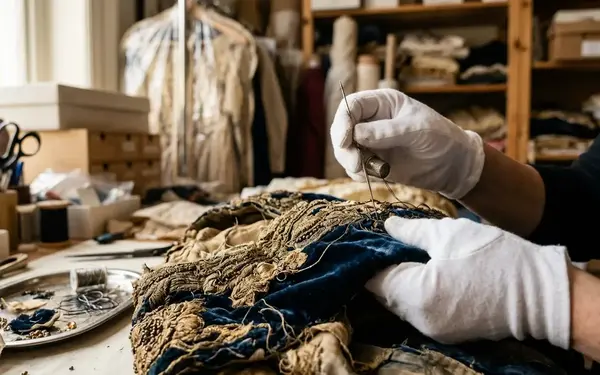
Institutions maintain the preservation of 9x11 inch trim sizes printed on 130gsm coated gloss stock to maintain the intended scale and color fidelity. The specific weight and finish of the paper interact with the ambient light in the reader's environment, affecting how the ink is perceived. Relying solely on compressed digital archives strips these iconic images of their intended scale, pacing, and cultural gravity. Researchers consulting institutional photographic archives recognize the necessity of the physical object for accurate historical analysis.
Fashion historians and pop culture enthusiasts must prioritize the physical archiving and study of these print spreads over digital-only consumption. The physical magazine remains the only format that preserves the true scale and schematic intent of the editorial vision. Digital scans provide a convenient reference, but they flatten the tactile experience and disrupt the deliberate pacing engineered by the editorial team. Track down the print copy, set it on a table, and turn the pages in sequence: the gatefold that arrives on page 300 was timed to land exactly there, and no scroll bar can reproduce that beat.






Your Thoughts
No comments yet. Be the first!
Your Comment